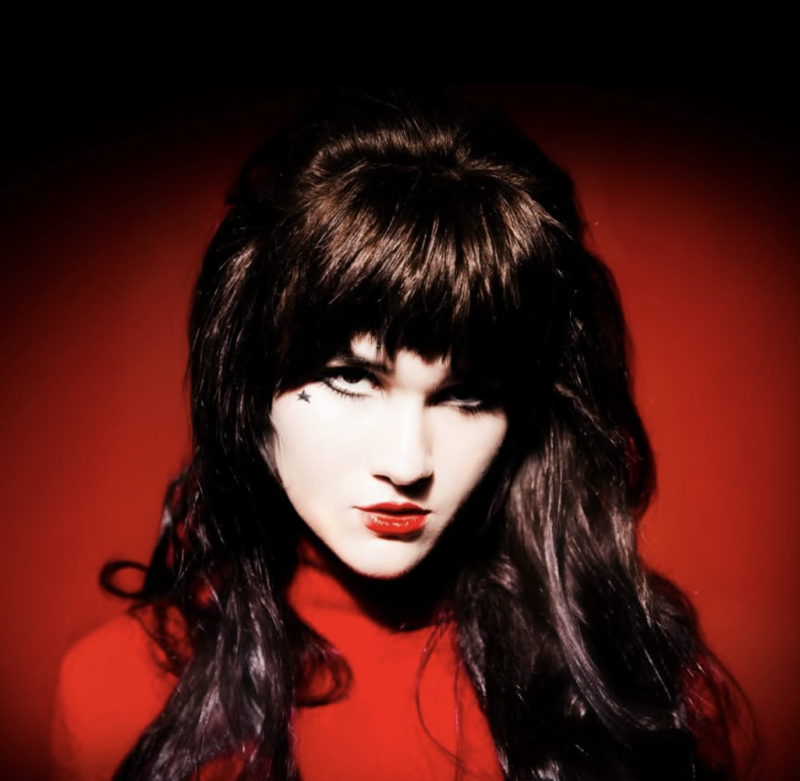
Hostage of the Heart began when you were still in high school. How did the songs evolve over the years as you grew both personally and artistically?
I found throughout the process of making this record that the songs naturally built upon themselves, and the story unfolded as I developed my songwriting. It felt special because I not only got to enjoy making a world within the album, but each song captured a pocket of time of who I was when I wrote it. I got to watch myself develop and evolve throughout the creation of the album, and capture those moments in a bottle.
The album follows a narrator struggling with obsession, insecurity, and the desire to be loved. How much of that story is drawn from your own experiences?
I would say that these songs are distilled versions of who I am, it’s my pure emotions filtered down through language. It was definitely drawn from my experiences of always being on the outside looking in growing up, and that feeling sparked the concept for what became the record.
You describe the project as sounding like it came straight from your diary. Was it difficult to be so vulnerable in your songwriting?
I strangely have never had any difficulty with vulnerability in songwriting. I’ve always just seen it as connection. I get excited putting something out that is honest because I think of who might relate to it. Songwriting has also always been a form of a diary for me, so it feels more like documentation than an intimidating confession.
“Shotgun Lovers” was originally never meant to be released. What changed your mind after performing it live?
Originally, “Shotgun Lovers” was never supposed to see the light of day, but I realized after performing it live that it needed to be part of the record, and it being so personal was what made it so special. It had this raw and cathartic energy onstage that I wanted to bring into the studio and capture.
The album moves from “Adequate, at Best” to “Addicted,” creating a complete emotional journey. Did you always envision the record as a concept album?
I always had the concept in my mind of beginning the record with this feeling of insecurity and desire, and having it build up to this strange, chaotic acceptance. The storyline felt very inherent and organic because the songs also came from a place of wanting to be chosen and loved as a person. They all just fell into place as I wrote them, which was a really special thing to experience.
Your music blends dreamy Omnichord textures, vintage-inspired guitars, and lush strings with modern pop production. Who were some of your biggest musical influences while making this album?
I grew up listening to a lot of Queen, The Cure, and The Smiths, which definitely helped form the sound. I love marrying vintage influences with modern production.
Listening to copious amounts of ’70s and ’80s pop and rock music while making Hostage of the Heart really made the album have a blend of different genres, and I also felt very inspired by certain instruments like the Omnichord and vintage organs.
You have built a distinct visual identity around the project, from painting the album artwork to designing merchandise. How important is the visual world of Luna Day to the overall storytelling?
The visual world really unfolded and formed alongside the songs as I was writing them, and I’ve always seen the music visually just as much as I hear it sonically. The line was always blurred. I’ve been painting my entire life, and before I wanted to be a musician I wanted to be an artist, so building the record through a visual lens has been my way of marrying my two passions.
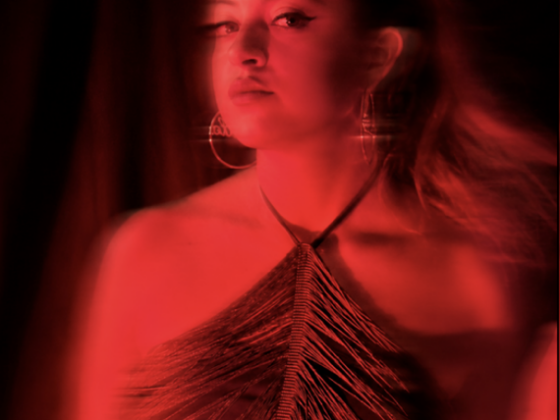
Being so involved in the visual world also makes the project feel so tangible to me, even down to the color scheme. It makes it feel real, and it’s gratifying transferring how it looks in my head onto paper.
You place a strong emphasis on fan connection through handmade bracelets, candles, and personal interactions. Why was creating that sense of community so important to you?
Creating a sense of community is so important to me because, in my mind, music is community. When I started this project, I wanted to connect, and the concept of the record itself is about craving connection and not always feeling like you’re enough.
It feels very special to me that people resonate with that, and being able to hear about the impact of the music or someone having a similar experience is everything to me.
You often champion people who feel like outsiders. What do you hope listeners who relate to those feelings take away from Hostage of the Heart?
I hope listeners take away a sense of belonging within the record, that being on the outside or being “too much” can be a gift.
I love the idea that within the record, there’s a group of people who relate to not feeling like they belong and therefore belong to that group of people. I want them to know they aren’t alone in that feeling.
With the album release and your first headline tour underway, what excites you most about bringing these songs and this story to audiences in a live setting?
I am the most excited for everyone to see and hear the project in its purest form, and to be fully immersed in the story. I was heavily inspired by musical theater when we were building out these shows, and I wanted it to feel like you’re stepping into the world and living in it.
I was able to debut the album before it was released on opening night in Los Angeles at the Troubadour, and the energy was absolutely unreal. To be able to play the music in such a realized way to such a packed crowd was so special.
There’s also such an incredible sense of community and enthusiasm at these shows. I’m looking forward to hearing people sing back the lyrics and seeing everyone dressed in red and black. It’s something really remarkable and surreal, and I feel incredibly lucky to experience it.