MOTO SOLO’s evolving remix project for “Wait and Wait” continues to build momentum this week with the release of the Daniel Avery rework on May 13, completing a two-part reinterpretation series that also features a separate version from Ghostly International co-founder Matthew Dear.
The Avery remix arrived yesterday, while the official music video for the track is out today (May 15), marking a tightly spaced rollout that underscores the momentum behind the release campaign ahead of MOTO SOLO’s forthcoming debut LP.
The series brings together a striking lineup of collaborators. UK producer and composer Daniel Avery reimagines “Wait and Wait” as a dense, psychedelic wash of sound—layering distorted synth textures over a shuffling, propulsive rhythm section.
Known for acclaimed remixes of artists including The Cure and New Order, Avery pushes the track into a more hallucinatory space, blurring shoegaze atmosphere with club-driven intensity.
The original track features Queens of the Stone Age bassist Michael Shuman, who also plays a key role in shaping MOTO SOLO’s recent work and is producing the project’s upcoming debut album. His presence continues to connect the remix series back to the project’s core sonic identity.
On the first installment of the series, Dear delivered a stark, pulse-focused reinterpretation of “Wait and Wait,” emphasizing rhythmic restraint and negative space. Dear described the creative process as one rooted in shared influences rather than stylistic contrast.
“On paper, MOTO SOLO’s music and mine might seem like they come from different places, but beneath the surface, there are a lot of shared intersections,” Dear said. “It felt less like remixing a song and more like remixing our overlapping influences and shared musical experiences.”
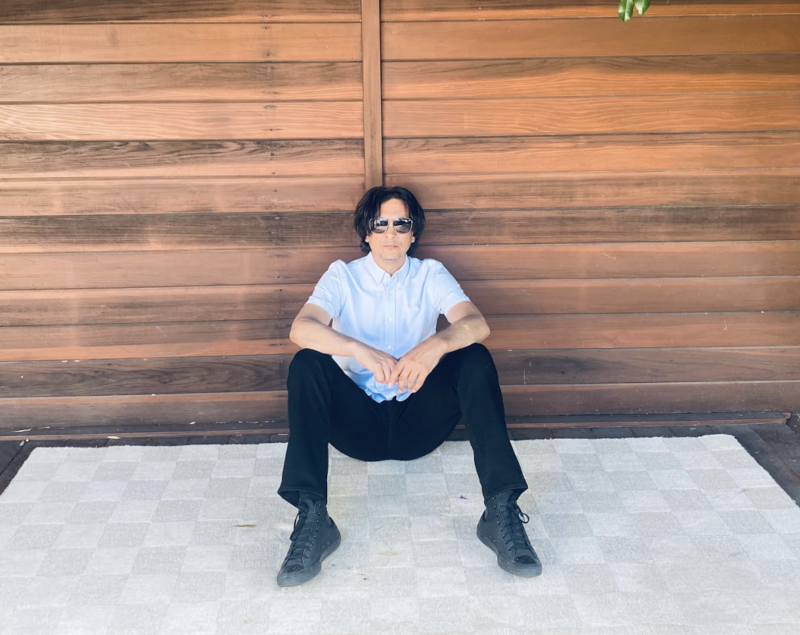
For MOTO SOLO, the project reflects a broader artistic continuum led by Bobby Tamkin, whose background spans experimental and alternative music scenes, including work with Seattle group Hovercraft and his own project, Xu Xu Fang. His career has included releases through labels such as Kompakt Records, with previous remix contributions from label head Jörg Burger, and recognition in publications including Rolling Stone and MOJO Magazine.
Recent MOTO SOLO material has also seen collaboration with Grammy-winning engineers Michael Harris (Lana Del Rey, Arctic Monkeys) and Emily Lazar (The Prodigy, Moby), further reinforcing the project’s blend of experimental textures and high-end studio craftsmanship.
With the Daniel Avery remix now closing out the two-part series, attention shifts toward MOTO SOLO’s forthcoming debut LP—produced by Michael Shuman—which continues to position the project at the intersection of shoegaze haze, industrial-leaning electronics, and expansive alternative rock experimentation.
The “Wait and Wait” remix series brings together very distinct voices in Daniel Avery and Matthew Dear—what made these two artists the right counterparts for reimagining this track, and how did their approaches reshape your understanding of the original?
The Daniel Avery remix leans into a dense, hallucinatory texture while Matthew Dear’s version emphasizes restraint and negative space—did you intentionally seek this kind of duality, or did it emerge organically once the artists engaged with the material?
The rollout has been tightly sequenced with the Avery remix and the video arriving within days of each other—how important is visual and release pacing in building momentum for this phase of the project ahead of your debut LP?
The original track features Michael Shuman, who is also producing your upcoming album—how does his presence bridge the remix interpretations back to the core identity of MOTO SOLO?
Both remixers come from distinct but overlapping experimental traditions—what did this project reveal to you about the “hidden hooks” or structural depth in your own songwriting that maybe you hadn’t fully recognized before?
As attention now shifts toward the forthcoming debut LP, how do these remixes function within the larger narrative arc of the project—are they reinterpretations, expansions, or early signals of where the album is headed sonically?