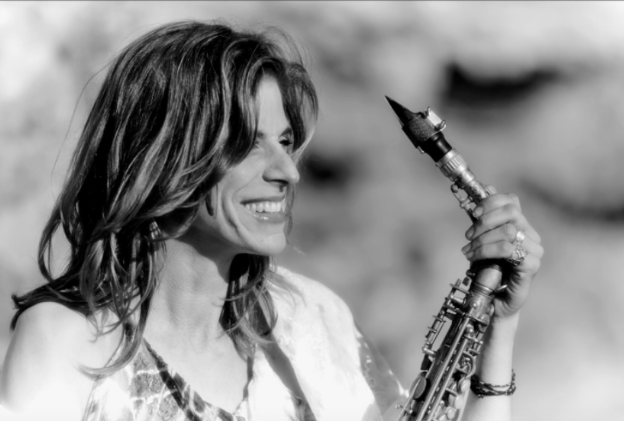
Muriel Grossmann’s new album, Plays the Music of McCoy Tyner and Grateful Dead, traces a surprising lineage between jazz and psychedelic rock. At first glance, McCoy Tyner and the Grateful Dead appear to inhabit completely different musical worlds. Tyner, the virtuoso pianist whose work defined post-Coltrane jazz, and the Dead, masters of improvisational rock, seem galaxies apart. But Grossmann’s project illuminates the connections that lie beneath the surface: shared rhythmic intensity, a fascination with harmonic depth, and an insistence on exploring space within sound.
Grossmann isn’t creating a concept album in the obvious sense. She isn’t forcing a collision between jazz and jam rock. Instead, she follows the subtle threads of influence, revealing how Bob Weir of the Grateful Dead internalized Tyner’s harmonic density, left-hand strength, and asymmetrical swing into his distinctive rhythm guitar language. Take “Walk Spirit, Talk Spirit” from Tyner’s Enlightenment (1973), then compare it to a long jam on “The Other One” from the May 10, 1972 Europe ’72 recordings. That rolling, centerless momentum, the push and pull of sound, flows through both, regardless of instrument or genre. Grossmann’s album brings this invisible connection into the spotlight, giving it a form all its own.
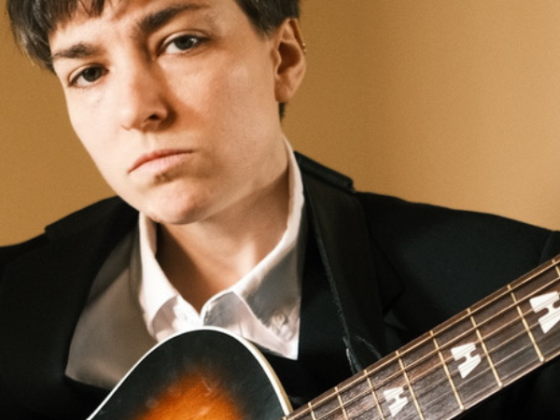
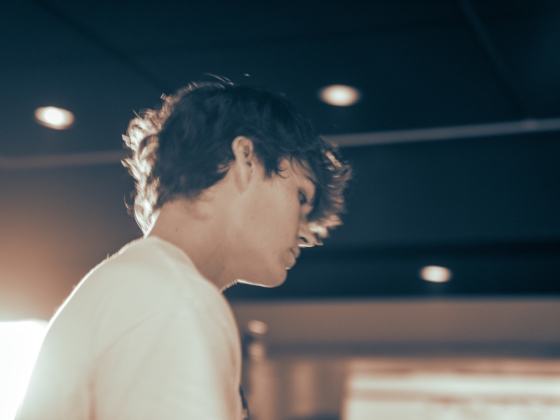
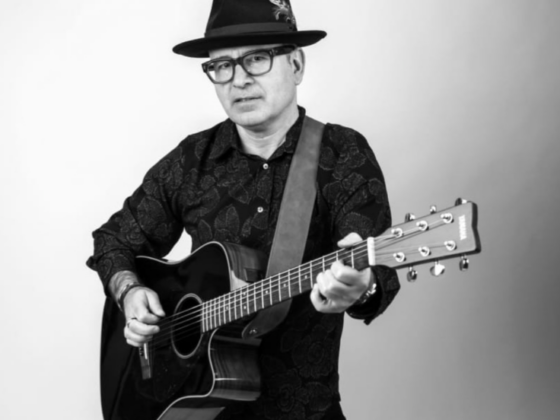
Joined by Radomir Milojkovic on guitar, Abel Boquera on Hammond B3 organ, and Uros Stamenkovic on drums, Grossmann approaches these four pieces not as historical artifacts but as living, malleable compositions. She uses them as a lens through which to express her own musical identity. “We played this music using a sort of filter,” she says. “So it sounds like when I compose, record, and perform our own music. It’s somebody else’s music, but it sounds like our music.” That statement captures the essence of the album: reverence without replication, innovation without erasure.
The performances on Plays the Music of McCoy Tyner and Grateful Dead balance fidelity and experimentation. Grossmann’s piano lines nod to Tyner’s trademark modal harmonies while leaving room for unexpected turns. Milojkovic’s guitar resonates with the Dead’s improvisational spirit, weaving intricate counterpoints and textures. Boquera’s Hammond organ adds warmth and weight, bridging jazz and rock tonalities, while Stamenkovic’s drums provide a flexible, dynamic foundation that both anchors and propels the music forward.
The result is an album that feels expansive yet intimate, cerebral yet visceral. It invites listeners to hear familiar compositions in a new light, uncovering subtleties that might have been overlooked and emphasizing the enduring vitality of Tyner and the Dead’s musical ideas. More than a tribute, it’s a reimagining—a conversation across decades, genres, and instruments.
Plays the Music of McCoy Tyner and Grateful Dead is out now via Dreamland Records. It’s a rare example of how music can be both homage and self-expression, bridging worlds that, on paper, might never meet but, in sound, are part of the same orbit.
Connect with Muriel Grossmann
WEBSITE // INSTAGRAM // BANDCAMP// FACEBOOK // APPLE // TIDAL // SPOTIFY // YOUTUBE