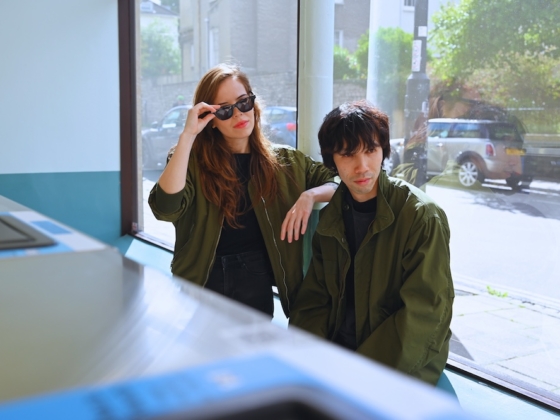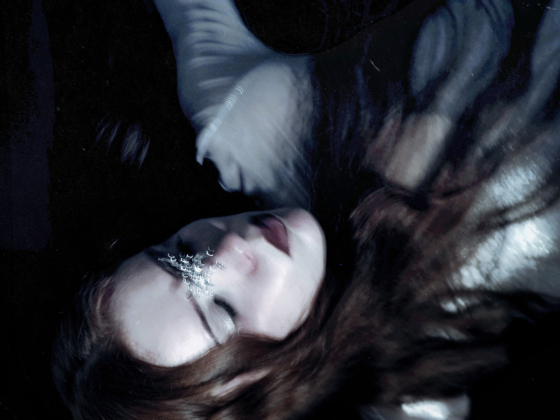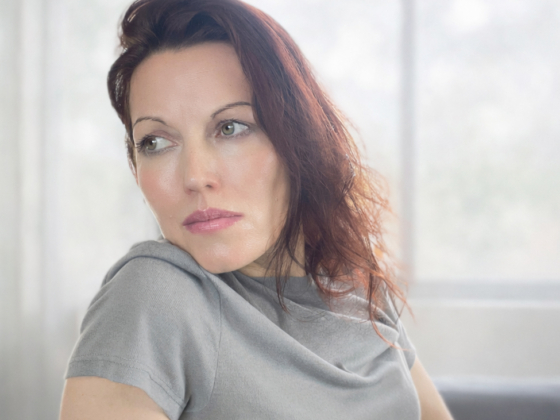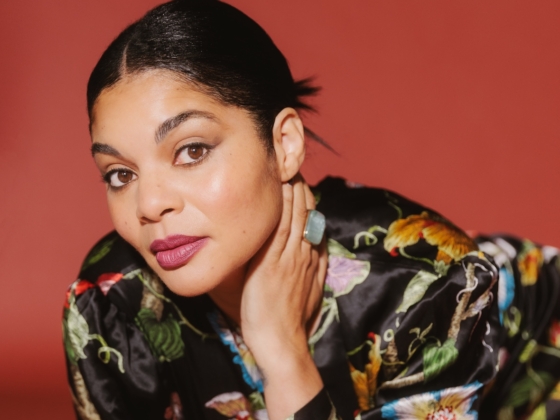
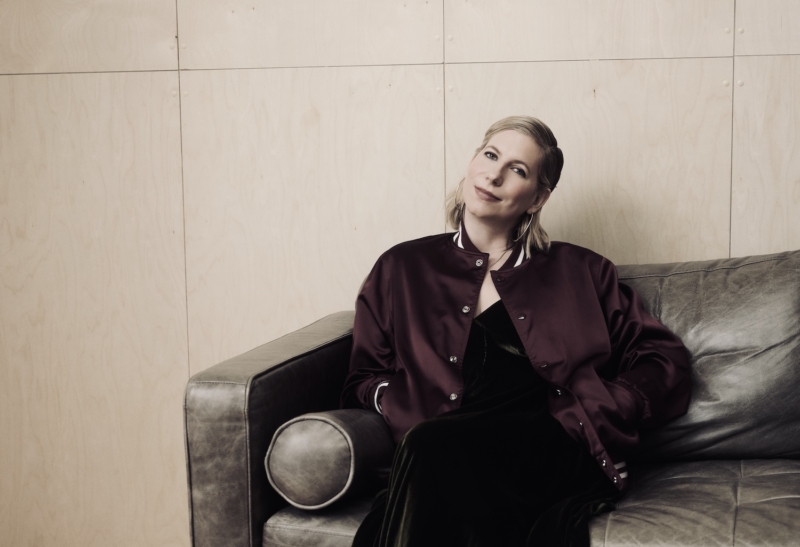
With her new album Black Butterflies, composer, cellist, and vocalist Rebecca Foon steps into her most expansive and luminous chapter yet. Released via Magnolia, the record finds her stretching her sound into dream-pop and trip-hop–tinged territory while preserving the emotional clarity and spiritual depth that have defined her work.
Recorded in her barn studio in the Laurentians and co-produced with longtime collaborator Jace Lasek, Black Butterflies is a meditation on transformation, grief, climate anxiety, love, and the fragile spark of renewal that persists even in moments of profound uncertainty. The album is threaded with haunting vocals, cinematic arrangements, and contributions from a circle of close collaborators, including her sister Aliayta Foon-Dancoes, bassist Mishka Stein, drummer Andrew Barr, beat maker Sankara Atsilut, vibraphonist Bruce Cawdron, and, most centrally, Patrick Watson, whose presence brings a shimmering emotional counterpoint throughout the record.
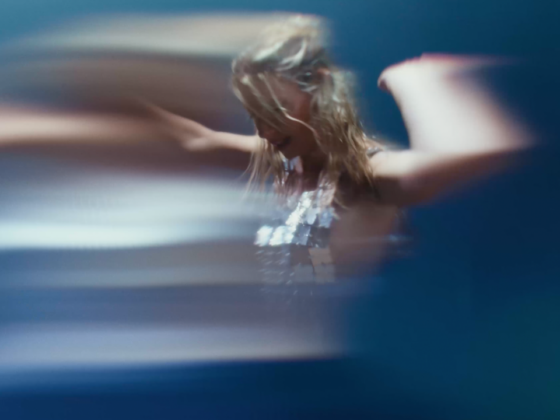
This partnership is captured with particular radiance on the focus track “If I Could Only See the Distant Sky,” accompanied by an evocative 16 mm film video directed by Yishen Wang. Shot on Governors Island, the visuals mirror the album’s emotional terrain: raw yet tender, suspended between memory and possibility, and filled with the quiet ache of longing.
As she prepares for her performance at National Sawdust on December 14 and steps into a new era of collaboration and creation, Black Butterflies arrives as both a deeply personal offering and a resonant reflection of the collective moment. We chat with Rebecca all about transformation through darkness, the evolution of her sound, her creative bond with Patrick Watson, and the quiet resilience at the heart of her new work.
What does the title Black Butterflies represent for you personally and artistically?
I see Black Butterflies as a powerful symbol of transformation through darkness. While butterflies traditionally represent beauty and rebirth, I see the “black” element adding a poignant layer, reflecting the grief and uncertainty that often accompanies change. The title for me also embodies the fragile balance between life and death – a delicate thread that connects our shared experience of existence with the spiritual realm beyond. It is also a reminder of how our most profound growth frequently comes from facing our shadows and that true evolution requires us to embrace both struggle and hope. It is also a metaphor for the delicate interplay between endings and new beginnings, inspiring resilience and the promise of renewal in the face of adversity.
You describe the album as being poised between uncertainty and renewal. What moments or experiences shaped that emotional space?
The past few years have held a lot of transition for me with personal shifts including the loss of my mom, creative reinvention, and a reckoning with the world’s instability. I have felt both the weight of not knowing what comes next and a growing sense that something new was emerging for myself. That tension became the emotional spine of the record: the quiet heartbreak of endings layered with the subtle spark of beginnings. The record is also trying to offer a feeling of hope for our collective future while acknowledging the anxiety we are all experiencing due to the uncertain times we are living in together.
How does Black Butterflies differ from Waxing Moon and A Common Truth in terms of emotion, process, or sound?
Waxing Moon was rooted in deep intimacy and personal unraveling (much of the record is just piano and voice), while A Common Truth carried the urgency of climate grief and focussed musically on looping cellos. Black Butterflies feels perhaps more expansive – still emotional, but with more spaciousness and luminosity and is different from my other albums with the minimalist low-fi beats taking it into trip-hop territory. This has been so fun as it is totally new territory musically for me, and process-wise, I also allowed myself more improvisation on this album. Sonically I think it has a rawer, more vulnerable presence, but also moments of warmth and uplift that surprise me even now.
How did your collaboration with Patrick Watson evolve on this project compared to your previous work together?
Patrick and I have worked together for years, and there’s a deep trust between us. On this album, our collaboration felt more fluid and intuitive than ever. He really encouraged me to lean into the emotional risk of the music and he brought incredible melodic ideas to the songs. He has a real gift of weaving beautiful melodies throughout whatever musical framework he is working with. His arrangements and ideas helped bring out the tension between fragility and resilience, and it really felt like we were both tapping into some unspoken universe together which I am so grateful for.
Why was Governors Island chosen as the location for the video?
Governors Island has this surreal mix of history, emptiness, and sweeping open space that feels suspended between worlds. That mirrored the emotional landscape of Black Butterflies. The island holds traces of the past, and yet a feeling of possibility with the beautiful water that surrounds the island, the epic view of NYC and the beautiful horizon. It felt like the right place to capture the sense of solitude, longing, memory and quiet transformation at the heart of the song "If I Could Only See the Distant Sky".
The video feels both raw and timeless. What emotions or ideas did you hope viewers would walk away with?
I wanted the video to feel like a moment where vulnerability becomes its own kind of strength. If viewers leave with a sense of tenderness, intimacy and perhaps the feeling that beauty can exist even in emotional upheaval, then I believe it’s done its job. It’s really an invitation to sit with your own inner landscape without judgment.
How did recording in your barn studio in the Laurentians shape the atmosphere of the album?
The barn is surrounded by weeping willows, vast meadows, incredible stars at nights and so many deer that come out from the forest to say hi. Recording there made the album feel grounded in the natural world. The creaks in the wood, the moonlight, the sense of isolation, all of that shaped the sound. It helped create space for the music to breathe, to stretch, and to hold both the heaviness and the lightness I was trying to weave into the songs.
The album touches on love, loss, climate anxiety, and spirituality. How did you approach such heavy themes while maintaining a sense of hope and beauty?
I think beauty often lives inside the same spaces as fear or grief, if you sit with emotions long enough, something luminous eventually shows up. I think the music became a way to hold the heaviness I was trying to tap into without being consumed by it. I believe hope emerges not as a solution, but as a quiet thread woven through our experience, and I was trying to bring out these waves of emotions through the arcs or
the songs.
How has your view on resilience and healing changed while making this record?
I realized resilience isn’t about being strong all the time, it’s about allowing yourself to feel deeply and still remain open. Healing, for me, has become less about “fixing” something and more about embracing the truth of what is. Working on Black Butterflies taught me that transformation can be slow, confusing, and nonlinear, but also deeply
beautiful, and this is what I have tried to communicate through the music.
How do you hope listeners carry Black Butterflies into their own lives?
I hope it becomes a companion for people navigating their own transitions, something that lets them feel less alone. If the music can give someone a moment of calm, clarity, or emotional release, that means everything to me. I want it to offer space for reflection, but also remind listeners that renewal is always quietly forming beneath
uncertainty.
What is next for Rebecca Foon?
I have some beautiful collaborations at the moment with my sister Aliayta Foon-Dancoes and with Richard Reed Parry and Sarah Neufeld (working on new albums). I’m also exploring new works that blend strings, voice, and immersive sound, and planning to bring Black Butterflies to more live spaces. This album opened a new chapter for me, and I am so excited to play more live shows in 2026 in North America and Europe.
Connect with Rebecca Foon: INSTAGRAM