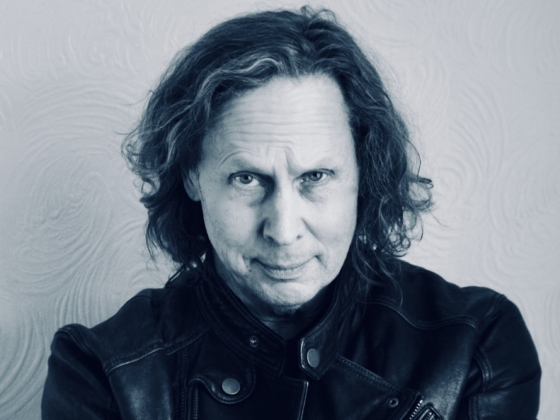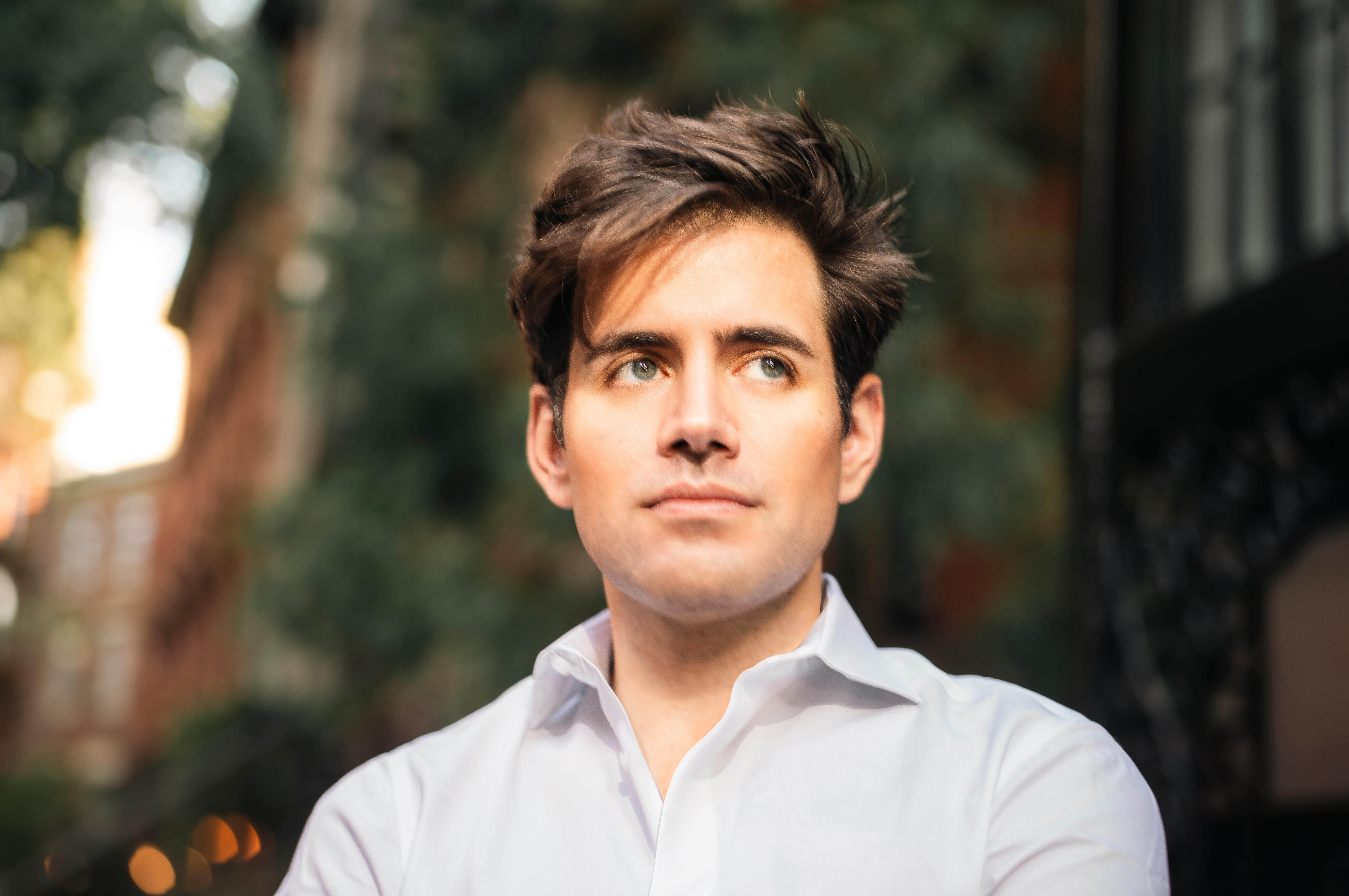
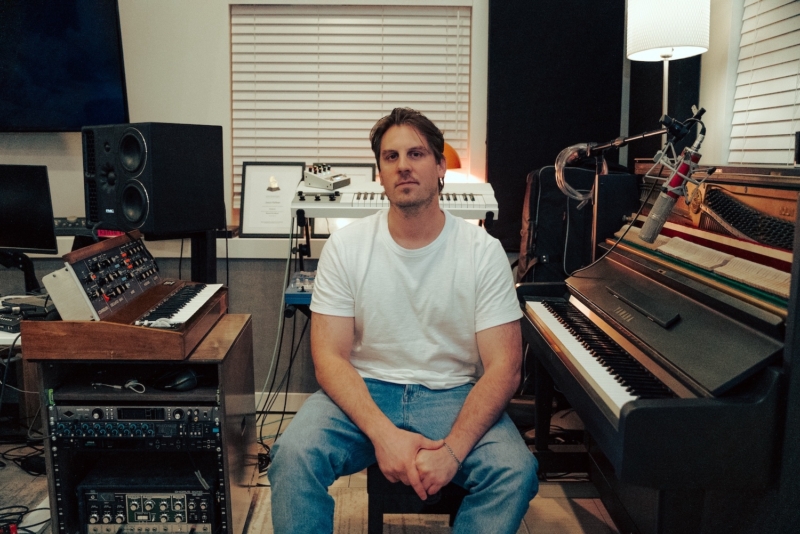
Jay Century is a Grammy Award-winning producer, composer, songwriter, and classically trained pianist based in Los Angeles. Hailing from Montreal, Canada, the creator has an uncanny ability to produce hits in a variety of genres including pop, R&B and electronic music. Jay has worked with artists including Khalid, Kaskade, Kiana Ledé, Duckwrth, and Amber Mark. Across an expansive array of genres, he consistently crafts innovative, artist-focused records that push sonic boundaries.
In 2023, Jay Century co-produced Khalid’s “Silver Platter” for Barbie: The Album, a soundtrack that earned both a Grammy for Best Compilation Soundtrack for Visual Media and Top Soundtrack at the Billboard Music Awards. Most recently, he contributed extensively to Khalid’s album Sincere, producing nine tracks on the standard version and two more on the deluxe edition, further cementing his role as a standout collaborator and behind-the-scenes architect.
His journey is rooted in instinct, authenticity, and a deep respect for the artist’s vision. We chat with Jay all about moments, music, and the mindset that continue to shape his evolving legacy.
What first drew you to the piano at such a young age, and what did music represent to you growing up in Montreal?
My parents actually gave my sister and me the choice between violin or piano lessons when we were kids. She picked violin, so I picked piano… pure sibling logic. I was seven when I sat down for my first lesson.
Music didn’t really become mine until middle school, though. I had this little iPod Shuffle with maybe a hundred songs on it, and I’d listen to them on repeat every day taking the bus across Montreal. It was this strange mix of hip-hop and classic rock, but that soundtrack kind of shaped how I saw the world back then. That’s kinda when music stopped being something I did and became something I felt.
Was there a specific moment when you realized music could be your career path? How would you describe your production style in your own words?
In my last year of high school, my mom noticed I was glued to GarageBand, constantly making beats and never really coming up for air. I was sixteen, completely obsessed, but it still didn’t occur to me that music could be a real career. After graduation, I studied jazz piano at a community college and then spent another three years at Concordia diving into jazz and classical composition.
The real turning point came later; after I got fired from Costco for ‘lack of passion.’ That moment forced me to confront what I actually cared about, and music was the only thing that ever felt natural. So I doubled down and decided this was the path I was going to take.”**
As for my production style, it’s always been hard to pin down. Early on, I was influenced by whatever I was absorbing, and I was deep into that moody, atmospheric Toronto sound that Drake was pioneering. Hiphop and R&B were the genres I felt most connected to, so I naturally gravitated toward building emotional, late-night type beats. That was the foundation of my style back then.
You’ve worked with artists like Khalid, Kaskade, and Amber Mark. How do you adapt your process for different artists?
Studying jazz piano really helped me become adaptable as a producer. Early on, everything I made started with chords and melody, that was my comfort zone. I still lean on that sometimes, but over the years I’ve learned to let the inspiration come from anywhere: drums, a vocal idea, even some weird little sound that sparks a direction.
Most of my bigger placements came through collaboration, and that taught me the value of being a real team player. I try to focus on my strengths, fill in the gaps where I’m needed, and make the room feel good. I take a lot of pride in being easy to work with and keeping the process fun, no matter who I’m in the studio with.
What makes a great artist–producer relationship?
Trust, friendship, and real comfort, those are everything. You have to be able to show up as yourself without judgment, and you have to leave ego at the door. That kind of trust doesn’t happen overnight, but once it’s there, the creative process opens up in a huge way.
I also remind myself that the artist has to live with the song long after I’m done producing it. I get to head back to the studio, but they’re the ones performing it over and over. So the song has to feel special to them first.
Being a producer who puts the artist’s experience and vision ahead of everything else… that’s what makes the relationship great
What’s one of the most creatively fulfilling sessions you’ve ever been part of?
It’s tough to single out just one, because the most fulfilling sessions are usually the ones where I get to witness some kind of greatness; whether it’s me stumbling onto a part that just feels perfect, an artist delivering a wild vocal take, or a guitarist coming up with something that completely changes the room’s energy. Those moments are why I do this.
But if I had to choose, working with Khalid was unforgettable. He’s truly a master of his craft. Watching him work up close, seeing how effortless and instinctive he is, was surreal. It reminded me why I fell in love with making music in the first place
Out of all the records you’ve touched, which one holds special meaning to you and why?
That’s another tough one, so many records I’ve been part of carry their own kind of meaning. But if I had to pick one, it would be "Please Don’t Fall in Love With Me" by Khalid. My co-producer Denis and I really hit the production out of the park on that one, and Khalid wrote something incredible over it. Hearing it all come together at the end was one of those moments you don’t forget. That session will always stick with me.
How has the role of a producer evolved in today’s music industry?
From everything I’ve studied about production back then versus now, there’s one thing that hasn’t changed: a great producer is indispensable. You have to be someone who can wear every hat, but also know exactly which one to put on in each session. You put the artist’s vision first, you create a safe creative space, and you’re a great hang. Those fundamentals never go out of style.
What has changed is what technology allows us to do. Today, a producer can program beats, record vocals, edit, arrange, mix, and pretty much shape the entire record from start to finish. The toolkit is bigger, the expectations are broader, and the role overlaps with so many parts of the process.
But at the core, it’s still about elevating the artist and making the best music possible.
What do you think separates a good record from a timeless one?
I don’t think there’s one magic ingredient. Honestly, that’s the thing we’re all chasing every time we write. But if I had to point to something, it would be the vocal performance.
A good record can have great production, great writing, great everything, but a timeless one has a vocal that cuts straight through you. Something that resonates, gives you chills, and makes you feel something you can’t quite explain. That’s the difference
How has technology changed your creative process, for better or worse?
It’s hard to say whether it’s for better or for worse. I love new plugins and new tools—they make the process easier, faster, and honestly way more fun. Technology today is an incredible asset if you use it right.
At the same time, maybe it does make us a little lazier in certain ways. But at the end of the day, none of that matters if the music hits. If the song makes you feel something, then the tools you used don’t really matter. That’s what counts.
How do you want your legacy to be defined in music?
I don’t spend much time thinking about legacy. I’m genuinely just grateful that I get to make music for a living. I put in so many hours grinding to become a producer, so being able to wake up and do this every day already feels like a blessing.
Sure, I have dreams of the records I work on going crazy on the charts, but I don’t know if that would change my overall happiness. I value a lot of things outside of music; my family, my friends, and the way I show up for the people who care about me.
If I’m remembered for anything, I’d want it to be the respect I earned along the way: for how I treated people, how I collaborated, and how I made others feel in and out of the studio
Finally, what's next for Jay Century?
Honestly, I’m not even sure—and that’s the fun part. Lately I’ve been diving into a lot of different music, especially folk and singer-songwriter stuff, and I’d love to explore that world more.
But right now, my focus is simple: keep making great records with great people. As long as I’m creating and surrounding myself with artists who inspire me, I’m exactly where I need to be.
Connect with Jay Century: INSTAGRAM